

It is 11:40pm. You landed six hours ago, you are wide awake, and the hotel room is the size of a parking space. This is the best moment of your first night in Japan. Put your shoes on, walk to the nearest konbini, buy something warm to hold, and then keep walking until you find a ramen counter with a light still on.
Tokyo is one of the few big cities where this works. The streets stay lit and calm, nobody is going to bother you, and a handful of ramen shops never close. Here are three that are open in the small hours, how the ordering works, and what to know before you sit down.
Before you go: the first ten minutes
Most trains stop running between about midnight and 1am. Walk, or plan to take a taxi home. Do not count on the subway after the last train.
Stop at the konbini first. A hot drink or a small snack is a good way to start the walk (see the konbini guide for what to buy). Finish it before you reach the ramen shop; eating while walking is not done here.
Bring cash and a charged phone. Most of these shops take cards or IC cards at the ticket machine, but a ¥1,000 note always works.
1. Ichiran Shibuya: 24 hours, built for solo eaters
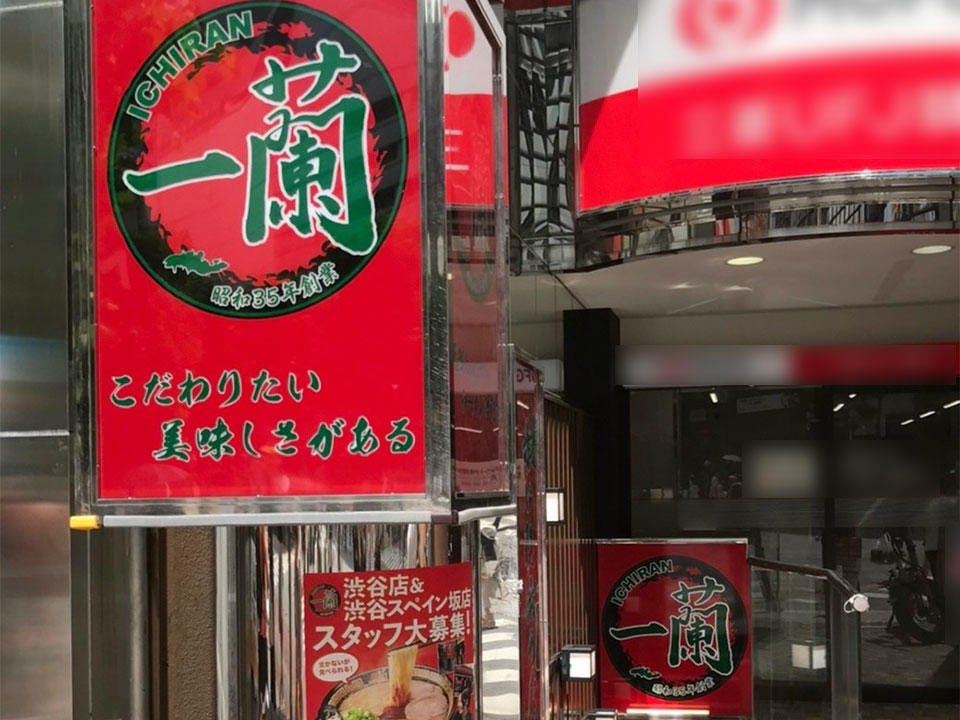
Image: Ichiran official Shibuya shop page
Ichiran is a chain, and that is exactly why it is the safest first stop. The Shibuya shop is in the basement of the Iwamoto Building, next to Marui JAM, about a three-minute walk from the Hachiko exit of Shibuya Station. The company’s own page lists it as open 24 hours, with 21 counter seats and no tables.
You order at a ticket machine at the entrance. It takes cash, credit cards, IC cards and mobile payments. Press the button for the ramen, then add extras if you want them, take the tickets, and wait for the staff to show you a seat. Each seat is a small booth with a bamboo blind in front of you, so you can eat without talking to anyone. You fill in a card with your preferences for flavor strength, richness, garlic, spice and noodle firmness, and hand it through the blind.
Two things worth knowing: the shop says hours can change at short notice, and during busy periods it may stop letting people in before last order. It also announced a short closure on Friday 6 November from 5:30 to 7:30, so check the shop page if you are going in the early hours.
2. Ramen Nagi, Golden Gai: niboshi, ten seats, always lit
This is the one for people who want the weird, specific, only-in-Japan bowl. The main shop is on the second floor of a building in Kabukicho, right by Golden Gai, and it is known for niboshi ramen: a broth made from dried baby sardines, with a deep, salty, slightly bitter flavor that people either love at once or find too strong. If you are new to Japanese fish stock, ask for the standard strength and not the extra-strong version.
There are ten counter seats, so you may wait a few minutes. You buy a ticket at the machine and hand it over. Restaurant guides list this shop as open 24 hours; confirm tonight’s hours on Google Maps before you walk over. Expect a bowl to cost roughly ¥1,000 to ¥1,300.
Kabukicho at night is safe for walking, but people on the street will sometimes try to pull you into bars. Say no thanks and keep walking. You do not need to follow anyone to find the ramen.
3. Hakata Menbo Akanoren, Nishi-Azabu: the Roppongi-side tonkotsu fix
If you are around Roppongi at 3am, this is the place the staff of the neighborhood eat at. Akanoren serves Hakata-style tonkotsu, the pork-bone ramen with thin, firm noodles, and the Nishi-Azabu main shop stays open until about 5am. It is closed on Sundays. It is roughly a fifteen-minute walk from Roppongi Crossing, so it works as a destination, not a stop on the way.
Listings differ on the exact hours (some give 11am to 5am, others a split lunch and late-night schedule), so check the shop’s current hours before you go, especially on a Sunday or Monday night.
How to order and eat like you have done it before
Buy first, sit second. Ticket machine first, then hand the ticket to the staff. If there is no machine, they will hand you a menu.
Slurping is normal and polite. It cools the noodles and it tells the kitchen you like it.
Eat while it is hot. Most people finish in about fifteen minutes, then leave. If there is a line, do not linger.
Say “katame” for firm noodles, “futsu” for regular. At Ichiran you do this on the paper card.
Do not photograph other customers. The bowl is fine, the people next to you are not.
What it costs
Plan on about ¥1,000 to ¥1,500 for a bowl, a little more with a boiled egg or extra pork. That is the cheapest memorable meal of your trip and the one most people end up posting.
Last checked on 4 November 2026.
Kaz