

If you are landing in Japan this week, your first real meal will probably not be sushi. It will be something you grab at a convenience store at 11pm because the flight was long, the hotel is tiny, and the glowing sign across the street says 7-Eleven. That is fine. That is, in fact, the plan.
Konbini have become a destination in their own right. Searches for “7/11 Japan” jumped 5,000% last summer according to Globetrender, and stores near Asakusa and Kyoto Station now put the tourist favorites on a rack by the door so people stop blocking the onigiri shelf. The egg salad sandwich has done its work. This is what to buy after the egg sandwich, as of this week.
What changed on the shelves this week (checked 4 November 2026)
Japanese konbini rotate their lineup every Tuesday and Wednesday, so what you read in a 2025 guide is partly gone. Here is what actually arrived in the last seven days.
7-Eleven
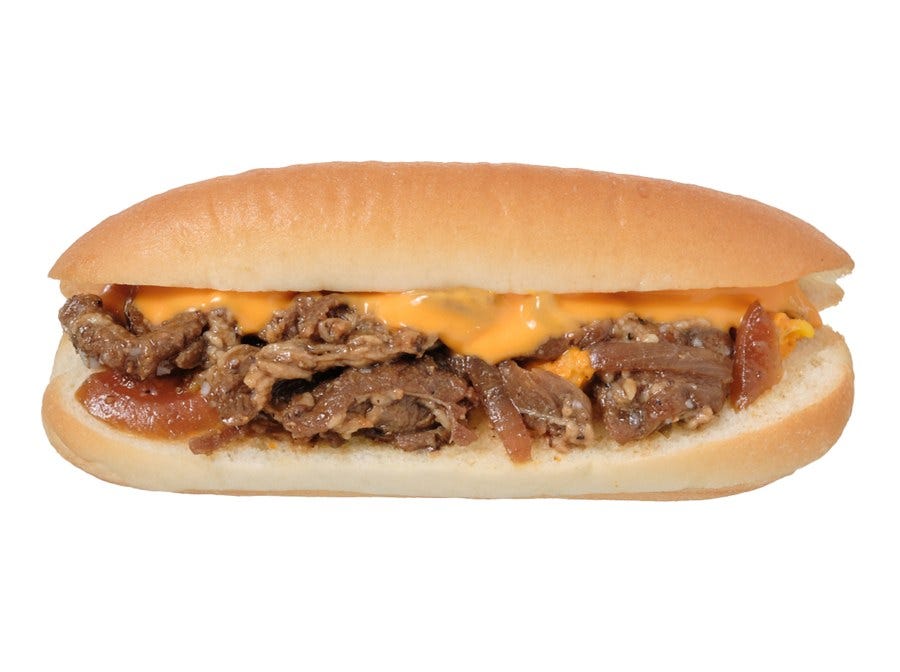
Image: 7-Eleven Japan official product page
Beef & Mac and Cheese (ビーフ&マッケンチーズ), ¥453, from 4 November. Yes, that is an American comfort dish in a Japanese convenience store, and it is selling.
Hamburg Steak and Fried Egg Napolitan (ハンバーグと目玉焼きのナポリタン), ¥699, from 4 November. Napolitan is Japan’s ketchup spaghetti. It exists nowhere else on earth and Japanese people are emotionally attached to it. Try it once.
Demogorgon Donut (デモゴルゴンドーナツ), ¥257. A Stranger Things tie-in: chocolate with a crumble top, shaped after the monster. Limited, and these collaboration items vanish in about two weeks.
Beni-haruka Sweet Potato Bites (紅はるかのひとくちスイートポテト), ¥300. This is autumn in Japan in one cup. Beni-haruka is the sweetest variety of Japanese sweet potato and the whole country is eating it right now.
Cheese Pudding & Caramel Mousse (なめらかチーズプリン&カラメルムース), ¥270. Two cheeses, bitter caramel on top. Pudding is the most underrated konbini category for visitors.
FamilyMart (new on 3 November)
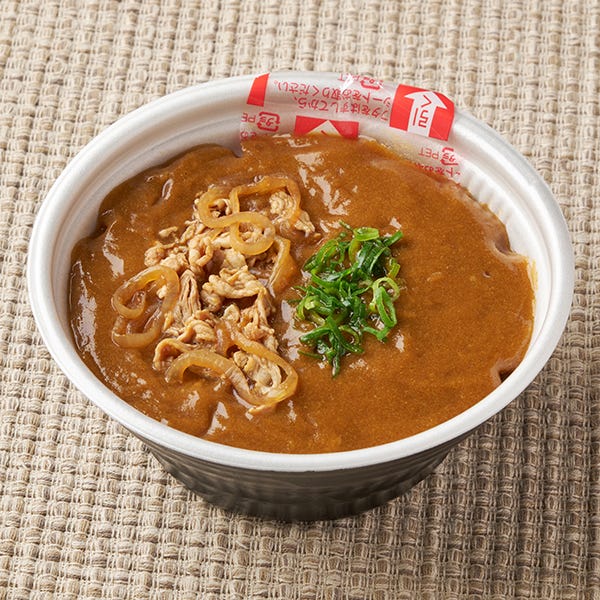
Image: FamilyMart official product page
Curry Udon (コクと深みのカレーうどん), ¥578. Thick noodles in a spiced curry broth with pork. The single best thing to eat standing in a hotel room at midnight when it is 8°C outside.
Crush-It Taco Salad (砕いて食べる!タコス風サラダ), ¥537. You crush the tortilla chips into the salad yourself. A good sign of where Japanese konbini food is going: interactive, slightly silly, actually good.
Almond Twist (アーモンドツイスト), ¥160. A sugar-coated almond Danish for the morning after.
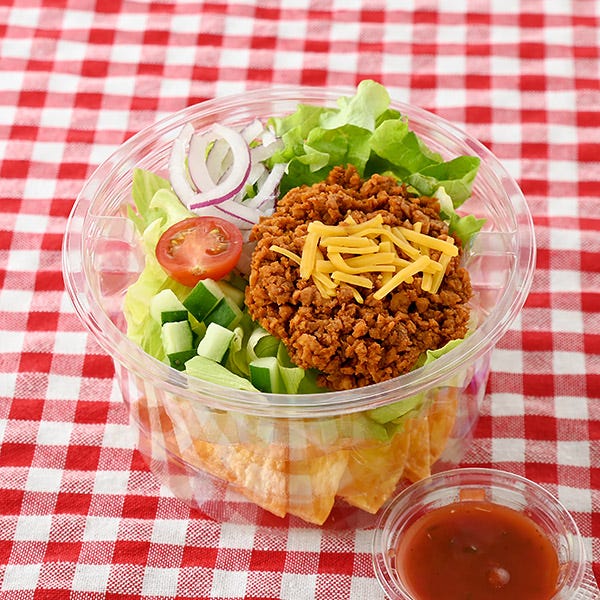
Crush-It Taco Salad. Image: FamilyMart official product page
Lawson
The Premium Roll Cake, ¥350, is still the one. It is a slice of sponge wrapped around a very large amount of fresh cream, and it costs less than half of what a patisserie would charge for the same thing. If you only buy one konbini sweet, buy this.
Karaage-kun, ¥240 for four pieces. Guinness lists it as the best-selling freshly fried chicken brand in the world. Red pack is spicy, yellow is cheese. Lawson also has limited flavors that change monthly; whatever the odd one is this week, order it.
The autumn rule
Every November the konbini go all in on three flavors: sweet potato, chestnut (栗, kuri) and persimmon. If a package has a purple-orange potato or a brown chestnut on it, it is seasonal and it will be gone by December. The sweet potato items in particular are the ones Japanese office workers are buying for themselves this month, not for show. Follow them.
What the numbers say people actually loved
The Japan Tourism Agency asked foreign visitors which food they were most satisfied with in Japan. Meat dishes came first (32.3%), ramen second (18.9%), sushi third (14.5%). Ramen beat sushi for one clear reason: 18.2% of ramen fans said they cannot get this flavor at home, and 16.7% said they wanted it because it is famous. Sushi won on freshness (71.2%) but you can get decent sushi in most big cities now. You cannot get a real tonkotsu, or a Tokyo shoyu with hand-cut noodles, or a bowl of niboshi (dried sardine) ramen that tastes like the sea, anywhere but here.
Which is why the late-night walk that everyone is filming right now goes like this: leave the hotel at 11, buy a drink and a hot snack at the konbini, walk twenty minutes through streets that are still lit and still safe, and end at a ramen counter that is open until 3 or 4. Shinjuku, Shibuya and Roppongi all have a dozen of them. You order from a ticket machine, you sit at a counter, you slurp, you leave in fifteen minutes. It is the most Japanese thing you will do all trip and it costs about ¥1,200.
Three things to know before you go in
Eat it outside the store or take it back. Konbini have no seating in most central Tokyo locations, and eating while walking is frowned on in residential streets. The bin is inside the store; take your wrapper back in or carry it to the hotel. Public bins are rare and that is normal here, not a failure.
Ask them to heat it. Hand over any bento or pasta and say “atatamete kudasai” (please warm it up) or just point at the microwave. They will. Oden and fried chicken are already hot, at the counter by the register; point and hold up fingers for how many.
Tax-free does not apply at the konbini for food you eat here. Consumables under the tax-free scheme must be sealed and taken out of the country. Your ¥300 sweet potato is just ¥300. Pay with your card at the terminal, or with cash; both are fine everywhere.
Last checked in Tokyo on 4 November 2026. Products above are national releases unless noted; a few are not sold in parts of Kyushu and Shizuoka. Prices include tax.
Kaz